
“That is when it happened. A soft white glow gathered on his chest, over the place where his heart must be. The glow became a cord, reaching out through the air. The cord approached me. I rowed and struggled. But I was held fast. I felt the light encircle my neck, link me to his heart. It didn’t hurt. It bound us together. I don’t know if he felt it too – I like to think he did. Then he brought me home to this nice warm house where I can sleep all the time and get stroked. I don’t even have to look at the outside world if I don’t want to! The windows are all boarded up. Ted made me an indoor cat and I’ve never had to worry about anything since. This is our house which is just for us, and no one else is allowed in. Apart from Night-time, of course, and the green boys and Lauren. I could do without some of them, to be honest. I”
― Catriona Ward, The Last House on Needless Street
I'm hungry
I reward myself with three things- tech, nice clothes and food.
Since I really need to think about retirement, I’ve put a sensible brake on the 1st two and as for the third, it’s kind of tricky, very tricky. In the Philippines, you can eat cheap, and it’s healthier. A bit of rice, heaps of vegetables and fish. I could live on that with pork barbecue and lechon once a month.
But eating healthy in New Zealand is expensive. You can count with your ten fingers, how many vegetables there are at any given time and even less in winter when your best bet is frozen. Seafood is not a staple and more of a luxury unless you were willing to rent a boat or go on a charter to catch your ow which is ridiculous. I love salmon but it’s not something you can eat every day and I’ve seen the price go up and up and up since 2008.
I avoid processed carbs, sugars and some fats (!), so essentially, my diet has come to consist of nothing but espresso in the morning; there was a couple of weeks at the start of this year’s lockdown when I had an oat-meal run, but I got sick of that; I would have the occasional bread, but would pick those fancy sprouted variants; for lunch, the previous night’s left-overs if there’s any would do; more coffee during the day and then dinner which is normally a protein and some carbs like rice or vegetables. I think I average less than 2,000 calories a day.
It’s a bit more than that during the weekend where I do have a proper lunch (sushi or a meal called Katsubi which is like sumo wrestler food but with more meats and veggies and less or no carbs; and then for dinner we rotate around chicken (baked chicken wings or air-fried), pork (belly) or beef roasts. And snacks! I love what they call crisps (potato chips) which I’ve started to lessen and ice-cream- I’m not completely lactose-intolerant and can finish off a whole container.
And because I don’t get enough vegetables, I’ve taken to taking fibre supplements along with four other supplements which I’ve been taking for the better part of 15-20 years.
But I’m hungry..I’m a hungry man…
What are you?...
Watching?
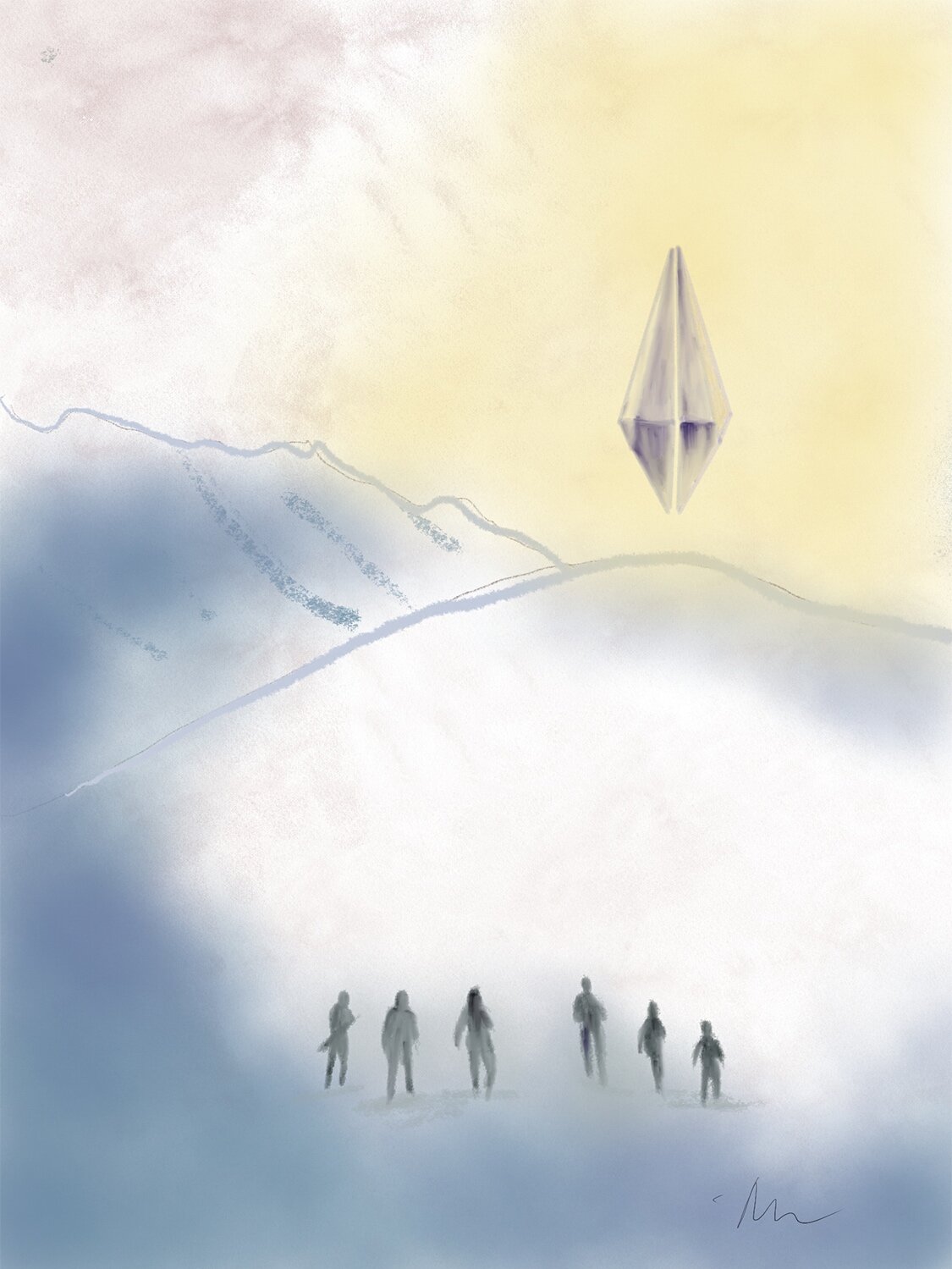
Foundation: American science fiction drama television series created by David S. Goyer and Josh Friedman for Apple TV+, based on the Foundation series of stories by Isaac Asimov. I came across this when I was in high school but thought of it as being ‘too scholarly’, so I passed and took on Ursula Le Guin, Ray Bradbury and Margaret Atwood instead. Apple does it great justice with Apple $$$$$ (image above is of the mysterious ‘vault’; drawn on Procreate).

Reading?
The Long Way to a Small, Angry Planet by Becky Chambers: The last time I took a literary recommendation from Wired Magazine, was the awful vampire novel Carpathia by Matt Forbeck. But what got me hooked to giving one of their recommendations another try was the word, ‘hopepunk’ - science fiction with the feels. Instead of being described as ‘critically-praised’, her novel, is ‘much-loved’. Now, what can go wrong with that? Synopsis of the novel from Wiki:
Fleeing her old life, Rosemary Harper joins the multi-species crew of the Wayfarer as a file clerk, and follows them on their various missions throughout the galaxy. The novel concerns itself with character development rather than adventure. Each member of the crew has a story that unfolds, or a crisis to face. They encounter several alien environments on the slow path to their destination. At the end, the ship is damaged by hostile aliens, precipitating changes in the relationships between the characters, setting them on new paths.
Self-published initially via a Kickstarter campaign, the book was shortlisted for the 2016 Arthur C. Clarke Award, earned a nomination for the British Fantasy Awards' 2016, won the Sydney James Bounds Award for Best Newcomer & was the first self-published novel to be shortlisted for the Kitschies Golden Tentacle for Best Debut Novel
(Image above drawn on Sketchbook)
On my reading list

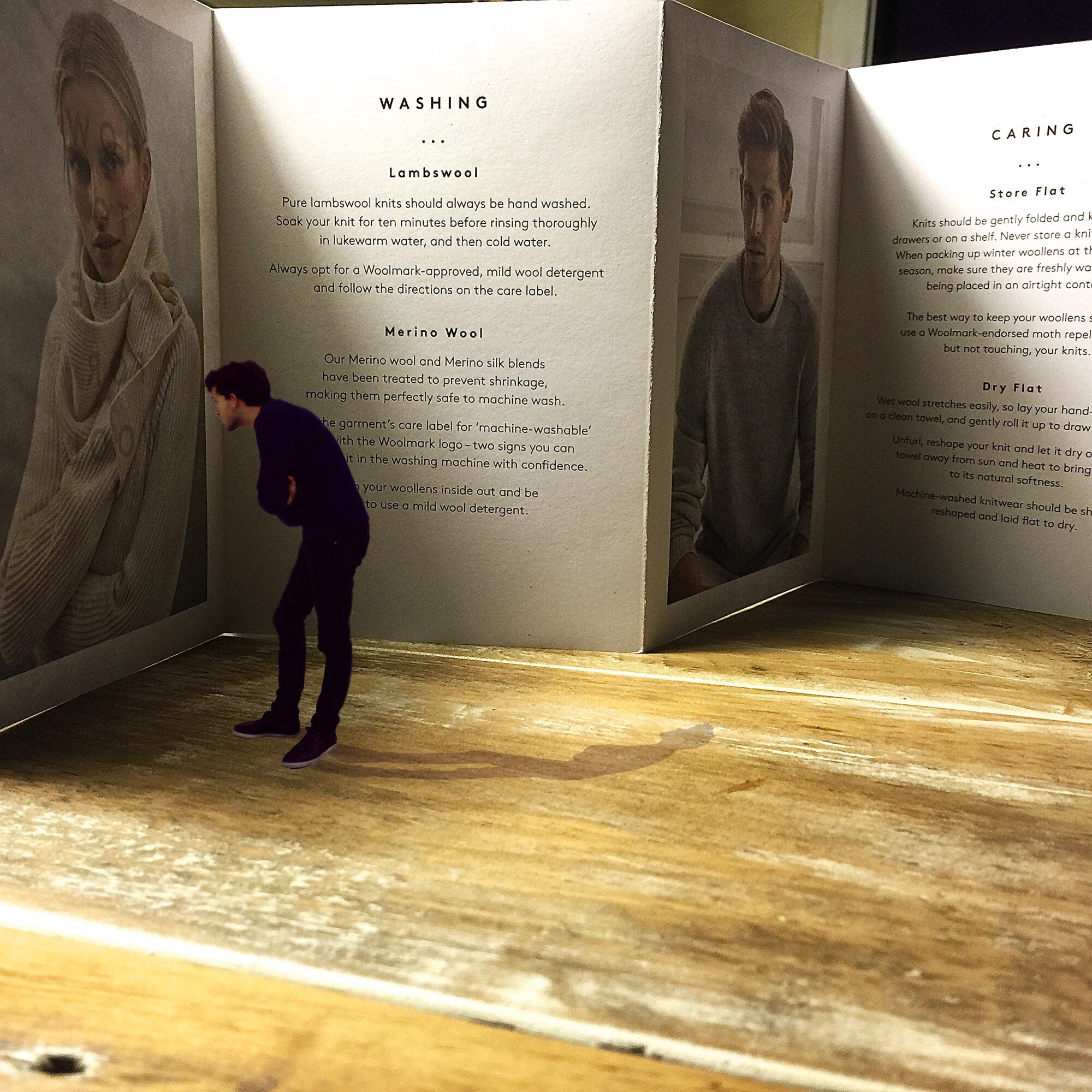
How To Care For Wool
I
Impure thoughts should always be hand washed.
Soak them for ten minutes before rinsing thoroughly
until not a spot is left,
except for that bit that is hard and swollen.
Maybe cold water will help?
II
Our love and our prayers have been treated to prevent shrinkage,
making them perfectly safe to bring anywhere you wish,
to do with them as you wish.
If in doubt, check the care label for instructions,
or ask us again. And again.
But please, when you wring us inside out,
be gentle?
That’s all we ever ask.
III
Love should be gently folded & kept flat and neat.
Never, ever put it on a hanger.
When packing it up, at the end of the season
make sure it is fresh and clean
before storing it away, sealed and tight.
IV
My love stretches itself easily, so lay me down on a clean towel
and gently roll it up to draw my tears out.
Unfurl, reshape my love and let me dry
my face away from sun and heat.
I need the dark and cold
to bring back my natural softness.
Or you could do it the hard way, the violent way.
Shake me. Reshape me
And lay me flat to die.

Finish these please

Day 8: Lockdown (Writing Exercise: turn the following email exchange into some kind of story)
Ryan checks his watch- 9:30am and smiles realising he still had a full hour before the car comes to pick him up. Six – make it a full eight as Sarah has said, and that will be plenty of time. The helicopter- a CH-47F Chinook, the fastest in the world with maximum speeds of 310km/h- will be waiting in that hidden clearing in Awhitu.
Even without traffic, this will still be at over an hour’s drive. And the flight to Spirits Bay at top speed would be according to Ned, exactly an hour at full throttle. Coughing yet? Feverish even when you’ve had your favourite glass of 80-year old Scottish whiskey? This is the running joke with Ned, a hulking 6 foot 5 Irish-Samoan with the gentle disposition of his island forbears, but with a love of the drink inherited from his Irish father. Ned has been on the red circuit for a full 72 hours- red is when you’ve logged nearly 64,000kms with only two hour rests (if any) squeezed in there somewhere, stealthily shuffling members of the Faction between continents and within the European union. So far, none of the Faction leaders have been infected with the virus and if the communique was to be believed, the consequences if this happened would be swift and severe.
But for the lowly rank and file like themselves- and even if Ned was probably one of the best pilots in the world as well as a genius with an IQ of 170- who knew what the Faction would do. The virus was rewriting every rule in the book and he wonders how he would fare- a middle-aged Asian guy of modest if not average talents, put in charge of an isolated country in the Pacific with a population of less than 6 million.
He accepted the ruthlessness of this reality and of his fate because he knew that the end game was survival, at all costs, and the Faction was there to ensure that when everything that the public knows is there to protect them fails, they won’t. He could see his daughter’s face, his family’s in the Philippines, his friends…Camille? Failure is not an option.
He must have been musing far too long because his watch reminds him with an urgent alert that there is 15 more minutes before the driver arrives. He goes to the kitchen and in swift, precise movements unwraps the corned beef, puts it in the slow-cooker, drops golden syrup, cloves, onions (thank God there were leftover diced ones in the fridge) and vinegar as per Sarah’s instructions.
By the time he walks down the driveway dressed in cargo shorts and a black hoodie, the driver – in a bullet-proofed black Merc with diplomatic license plates- pulls up. They drive out in silence with only an occasional beep from the GPS tracker indicating that the local authorities have been informed why this imposing vehicle is going at least 20kph higher than the limit. The highway isn’t completely deserted-typical Kiwis, he thinks, though really, the situation isn’t as dire as the US or Italy. But he can’t really think this way, not yet. Hopefully, this rendezvous in Spirits Bay would be just as he is expecting it to be, an assessment and reassurance from the Faction that all was well in this isolated part of the Pacific. That life will go back to normal.
Arriving in Awhitu, he spies Ned waiting outside the chopper clad head to toe in leather that seems to have been poured over his body, his muscles rippling underneath the taut material. On his vape with no visible smoke coming out (who knew if the virus can be carried by vape smoke?), Ned gives him a big grin which he returns in kind; for once Ryan is relieved that their normal hugs is not possible. Ned’s hugs always feel like you were being swallowed alive by a really firm mattress.
‘Still alive big boy?’ Ryan calls out to him, wondering with a note of envy that Ned didn’t look at all like he had been flying all over the world for the past 72 hours. Ahh, youth! Ned is only 24 to his 44. Only four hours ago, Ned was in Australia touching base with Faction contacts in Sydney. Not really a talker, ‘all good mate’ is all Ned drawls out before effortlessly swinging his massive frame onto the pilot’s seat.
The chopper ascends almost noiselessly and quickly above the peninsula and even if he has seen this hundreds of times, the stunning beauty of New Zealand’s landscapes, one of the very few in the world left virtually unspoilt by man, never fails to make him wish that it would always stay this way. Let this country be safe, he prays.
True to Ned’s word, they reach Spirits Bay in exactly an hour. An isolated bay at the end of the Aupouri Peninsula near the northern tip of the North Island, Piwhane as the Maoris call it, is a sacred place and according to local legend, is the location where spirits of the dead gather to depart from this world to travel to their ancestral home or afterlife from a large old pōhutukawa tree above the bay.
There are hardly any blooming pōhutukawa trees there that he could see, but a large red object was easy to spot and for a moment, Ryan thinks he is hallucinating. Normally unperturbed by anything, Ned looks over to him, his eyes wide with fear; ahh youth, he was too young to know about Peregrine except in stories. But Ryan knows. He has seen this once- back in 2003 during the SARS outbreak. He had met Peregrine in the small Thai island of Koh Tarutao and it seemed mind-boggling how an aircraft could have landed on what was essentially a large sand-bar. But Peregrine was neither a person nor a craft; it was the Faction’s dreaded messenger system designed to deliver very urgent, and often catastrophic news. The craft that he saw in Thailand was a stealth and could hover and land vertically. The technology since 2003 has evolved and this one in the shape of something resembling a bat in flight definitely has all the bells and whistles, but one thing has remained the same- the red colour. No one knows for sure why the Faction picked red, but everyone knew it was deliberate. Red was the colour of death.
Ryan wills himself to step off the helicopter and in leaden steps, walks towards the Peregrine where the Messenger is already waiting- a young slender man with long blonde hair dressed in an expensive suit and dark glasses. Approaching him, Ryan sees that the Messenger couldn’t have been more than 17. Dramatic much, he thinks trying to make light of a moment that already feels as though it is a waking nightmare. In Koh Tarutao, the Messenger was an old Asian lady probably in her 70s and dressed in a silver cheongsam.
No words are exchanged as the Messenger hands him a black tablet with long thin fingers and walks back into the Peregrine. In no more than a minute, the Peregrine’s engines hum to life and Ryan has to step back as the thrusters push it up, expelling hot, invisible gas. It glistens for a moment above them, an angry slash of red against the blue sky before it pivots nose up and careens out of sight.
He turns the tablet face up and puts his thumb on the biometric reader. It opens and a sliver of laser light scans his eyes; he starts to read the document.
He doesn’t know how long he stands there on the grassy clearing until a huge hand gently on his shoulder nudges him out of his reverie. In the distance, he could hear the surf break and just around him, the song of birds. He looks at Ned’s face and doesn’t see the face of a physically imposing man who flies every manner of aircraft and could speak 4 languages fluently; he sees the face of one who has yet to see horror the likes of which he could only imagine. They thought they had ended this in 2003, that SARS was safely vanquished in a test tube in a secure facility in Asia. But they were wrong.
Ned didn’t have to ask him about what the message was. He begins to tell him everything and his voice is calm- as if he is already dead.
“It seems that the virus with the current death toll at 47,240 is not the real threat. Classified reports have reached the Faction that a cluster of infection, a family of 7 who recovered a month ago, have suddenly, inexplicably experienced a relapse. Three of those seven were at a medical facility for plasma donation studies when they started having convulsions. Death and paralysis happened almost instantaneously after that. Two minutes later, they were re-animated and according to the surveillance footage obtained remotely, had superhuman physical strength and aggression. They attacked and killed all but one of the 14 staff at the facility. It would seem that the virus which lies dormant and evading current testing hid its true nature- anabiosis; reanimation after death. The 13 staff were reanimated and the entire facility has been in a questionable status until more information is gathered on how to contain this. The complication however is this- four of the other family members who reside in other countries have all gone back home just before borders were closed two weeks ago. One has gone back to London, one to Germany and one to Japan..’Ryan pauses looking at Ned in the eye before continuing.
‘The fourth infected person arrived in New Zealand March 14..’

Holiday Reading: A Bend in the River by V.S. Naipaul
“Government that breaks its own laws can also easily break you.”
“I often wonder what would have happened to me if I hadn’t made that decision. I suppose I would have sunk. I suppose I would have found some kind of hole and tried to hide or pass. After all, we make ourselves according to the ideas we have of our possibilities. I would have hidden in my hole and been crippled by my sentimentality, doing what I was doing, and doing it well, but always looking for the wailing wall. And I would never have seen the world as the rich place that it is. You wouldn’t have seen me here in Africa, doing what I do.”

Reading: Fires by Raymond Carver
“I once sat down to write what turned out to be a pretty good story, though only the first sentence of the story had offered itself to me when I began it. For several days I’d been going around with this sentence in my head: “He was running the vacuum cleaner when the telephone rang.” I knew a story was there and that it wanted telling. I felt it in my bones, that a story belonged with that beginning, if i could just have the time to write it. I found the time, an entire day- twelve, fifteen hours even- if I wanted to make use of it. I did, and sat down in the morning and wrote the first sentence, and other sentences promptly began to attach themselves. I made the story just as I’d make a poem; one line and then the next. Pretty soon I could see a story, and I knew it was my story, the one I’d been wanting to write.”
Currently Reading: Jesus' Son and a missing (American) president
Jesus’ Son by Denis Johnson is as far removed from the Christian tradition as anything. It’s a collection of short-stories linked by a troubled narrator who is an addict. In one story, the narrator hitches a ride in a car he somehow knew before-hand was going to crash- supernatural prescience? Too much drugs?
There was a time in the 90s and all the way to the early 2000s when all I looked forward to on Christmas eve was to drink alcohol at friend’s houses. I started on my street and finished off at my best friend Eric’s before staggering back home and putting out the food 30 minutes before mid-night. Things changed when we all became adults. My parents had always been a team- left to their own devices, they would have coped happily whispering sweet-nothings to each other without having to worry about keeping up tradition for their adult children. Alcohol and the company of friends made the night more bearable.
But things swung back to how they were when the kids started to come- there was Matt and several years of Christmases when all the gifts under the tree were his; then Yanna but all too briefly because Al & Binky already lived abroad; then Toni and Jay’s kids.
Christmas is really about the children, no doubt about it. When Chini grows up, I think finally, I can have that Christmas I’ve always only recently, been thinking of having- to be alone, somewhere cold (or hot it wouldn't really matter), happily coping with just memories, and drinking tons of alcohol because this time, I’m actually happy at the thought that the holidays- unburdened by glossy memories of the past- is finally mine and mine alone..(does this make sense?).
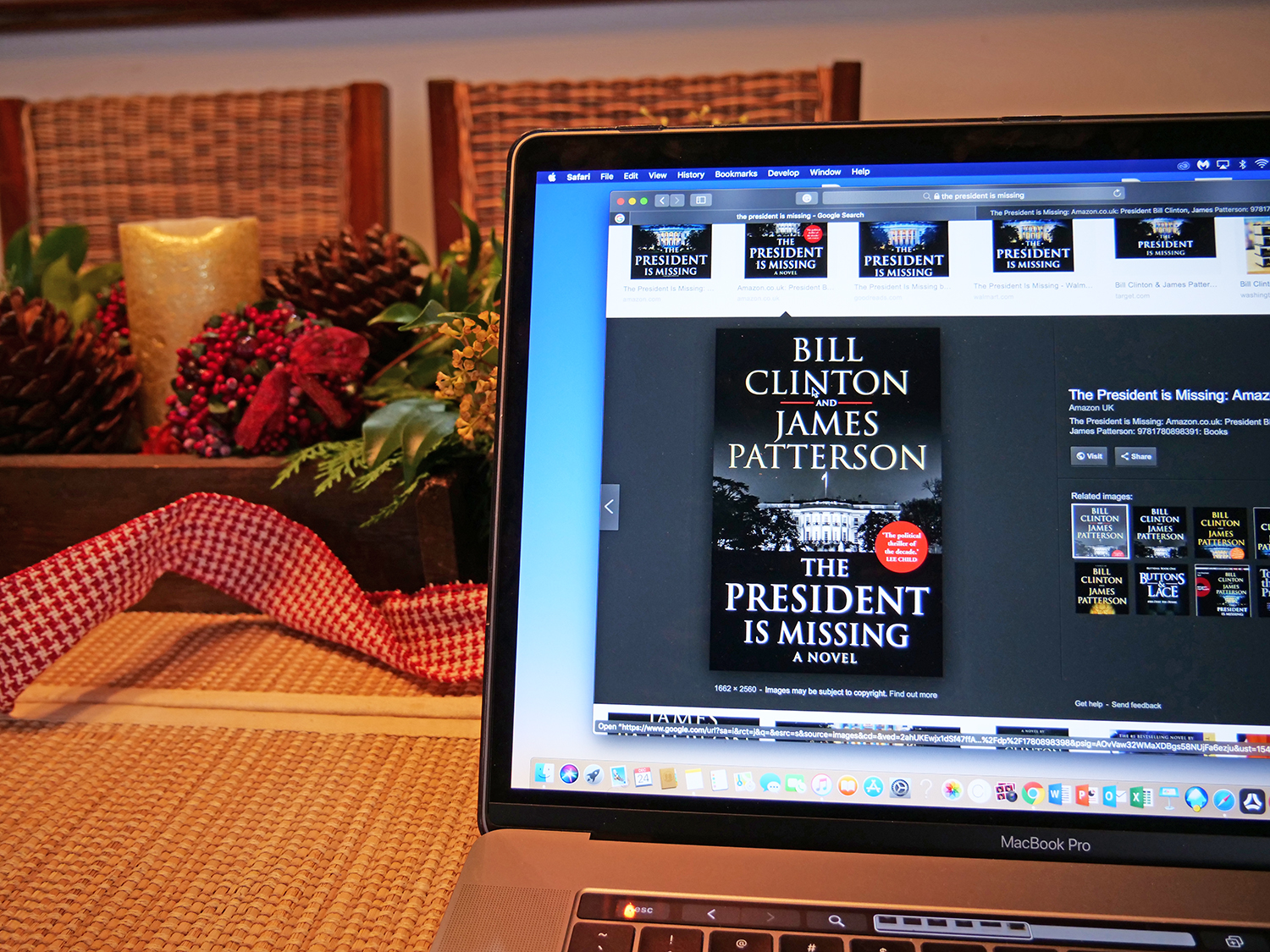
THE PRESIDENT IS MISSING, by Bill Clinton and James Patterson. I remember one Christmas break when I read The Prince of Tides by Pat Conroy and it affected me so deeply that I was in some weird funk for weeks. So never again, and this time, something you’d read with a popcorn in hand. I think this is the first novel of James Patterson’s that I’ve read- everything else I’ve probably watched as a movie. This is the kind of fiction that has brought this man over $750 million.
Repost: Where were you when the rapture happened?
September 4th, 2011
Remember Google+??? I remember wasting half a day at work, sneaking between open browser pages, looking up for a way to get invited. I eventually got an invite from my best friend and again spent half a day at work building it up.
So much fun, like being asked to spruce up an entire empty floor of some building with your, well, crap. Of course it was crap. What else could it possibly be, just a bunch of cutesy posed pictures (made up some faces on my Mac and edited out my jowl lines, my tired, baggy computer screen scarred eyes) random video links (wohoo! Hollywood Tuna) and ephemeral flotsam and jetsam. Just the digitized short-hand really of the generation.
A generation that's gone and disappeared.
And I certainly played well into the night when I got home. It was Cindy's mother's birthday and I had a very handy and dignified excuse- who the hell got drunk on a Monday???? I loaded a box of lemon-cheesecake cupcakes that my daughter Chloe baked for her grand-nana into Cindy's battered Holden.
'Put real lemon there dad, like they did on Top Chef.' Chloe just turned 9 and was trying to run away from her childhood faster than her stints at her school's cross-country races. "I'm sure your grand-nana would appreciate the lemon better on her gin and tonic sweetie..'
'Oh dad!' Mock adult disgust and falling over me for a kiss, her lips bitingly cold on my cheek. 'Where's your jacket hun, it's gonna get real cold.' And out of nowhere, she whips out my worn leather bomber jacket which she puts over some top and leggings on semi-adult legs. And it's my turn for mock-anger, 'oi!' I grunt before Cindy steps in as she's wont to, the only true time it seems for genuine affection, lightning quick snatches of it, before everything falls into the abyss of second mortgages, an immature job as she has always called it and too much Facebook instead of getting our freaks on.
Like can we do it now, right here on the driveway as she sidles up to me, locking her hips against mine, my hands settling comfortably on the rise of her buttocks.
'Yeah, tell Elaine you're down with the flu, really down with it' I bite her lower lip gently and she bites back, her face a blur, the scent of something richly sweet like dark chocolate on her breath.
'Uhmm..when we come back, promise...promise..'
Those were my wife's last words to me.
They pause down the driveway just before plunging into the darkened street as a light, misty rain falls. The car's interior light opens and I see Chloe, rummaging for her stuff at the back as usual. She tries to see me through the window, squeezes her eyes into slits, probably couldn't but waves nonetheless at what she believes to be her father still watching her drive away.
I was and it is the last and most painful memory of my daughter.

How it happened, I really don't know. There was no rumbling, no fireworks in the sky, no choir of angels announcing the ascension of the blessed and the eternal isolation of the damned.
I went back to my Google + account and thought, what a refreshing change. Empty; just me and digital quietude. I puttered around in the kitchen, made chapati and cumin meatballs in a Japanese curry sauce.
I think it was about 10:30 pm but I'm just guessing. I remember looking out the lounge sliding doors, through the smear of condensation and the fog outside. The street lamp just outside the gate was on and it looked to me 'sadly luminous'. I remember that description, sadly luminous and I did feel, like a sudden cascade of cold water had fallen over me and a seemingly infinite, weepy sort of sadness.
And the funny thing was that I never did know what I was sad about at that moment....
(he sends a text message that remains unsent, sitting in his draftbox. There is no mobile service, just a slight, unnerving humming at the end of the line. Television services stop at 3am, radio follows soon after. And yet there is still power even as public lights burn on throughout the day and night. The internet still functions to some degree and when he checks for some clues online, one thing is chillingly clear- status updates on Facebook have ceased just before 10:30pm, GMT. He doesn't sleep for 48 hours straight and walks all the way to his mother in law's house in the suburb of St. Heliers, marveling at a cityscape captured frozen in its tracks even as the day rolls by. Cars are packed at Elaine's expansive driveway. Inside Cindy's Holden is his bomber jacket and he cries and cries clutching it, because it smells of him and not of Chloe..)
Repost: two untitled poems circa 2010
This is why I think photos are more reliable records. Even if you filter them, nothing is really altered and it captures that singular truth- that day was what it all was. It was sunny. It was raining. It was raining and you were wearing your new winter boots. It was sunny and you had brunch at that new city cafe; the eggs were runny, the multi-grain bread moist with butter. It didn't matter what you felt or what you were thinking at that moment because there is no record of them. You can put in what you thought you felt at that moment but it feels somewhat insincere. I found a couple of poems I had written while combing through the back-end of my blog and I honestly don't know the context of how and why they are written. The only reason I'm reposting them is that I think they're not that bad.
And maybe this is why I take a lot of pictures- its a cleaner, more truthful record. But what is truth in this day and age? As someone known for fantastic story-telling (for the record, I've never lied anything about my life- I simply do not volunteer information which is nobody's business), what has truth done for me?
I
It was so easy,
that after all this time you thought,
it took leaps of faith,
a fortuitous hand
or maybe necessary deceit.
But love knows its way
even in the darkest of places
and I still remember your face
or what I remember of it
that even as I close my eyes
I can see you, as clear as daylight
and see that love
is not garishly bright
as I feared it to be
II
Ofcourse love is selfish.
In the beginning, the universe closes in,
collapsing in on itself until
there's only that vision of sweat on the nape
as if your eyesight had suddenly acquired
macro-vision capability.
It was half past 10 when, spent, hungry,
we decided that it was impossible
to ignore the sunlight streaming into the room
which seemed more like the middle of March
rather than June.
You were tracing the veins right below my navel
and just above the line of pubic hair.
Everything does seem vulnerable at a certain point in time;
so clear and translucent
even when you're already half-clothed.
I gushed how wonderful Sundays were;
how carefree, slow and languid.
Today is Sunday, you said,
and I did realize that it was.
We rode the jeep, just the two of us then
and for the first 4 minutes, we cherished the thought
that 4 minutes would seem
like a postponement of the inevitable.
But ofcourse it wasn't.
We parted
and the rest of Sunday
was dark, closeted and long.
Repost: A frozen second
You mourn that time passes so quickly and when you look at the mirror, you're standing quite still. What will change, you ask yourself and this is your fear.
Read MoreRebel in the Rye
I was saying to Sam's mum Mary this morning on our 7am drop-off that maybe I should re-read 'Catcher In The Rye'. Books are like people; how you get along with them depends on your level of maturity, your current state of mind. If I remember it correctly, I read the book when I was in college; there was a copy in my Tito Benny's library in Fairview.
I can say for sure that it didn't affect me as much as the Chronicles of Narnia did which I all read when I was 11, or Sidney Sheldon which I started reading at 12. So in hindsight, I wasn't at all the alienated adolescent that I thought I was. Holden Caulfield aside, I can identify more with JD Salinger.
I'm going to be a writer when I grow up, I declared to anyone who asked when I was 13 and unlike JD who was inspired/moved/influenced by his experiences in the war, Hemingway by his extensive travels or Tolstoy having a profound moral crisis, I was a child who was simply imaginative. And bored. And friendless for the first 16 years of my life. And well provided for by nearly perfect parents who didn't beat me up, let me starve or be sexually molested. In short, what the hell was I going to write about?? This is generalising I know, but something profound, something really important could have been a start- and I think that what I had wasn't just enough of a catalyst. Wasn't enough material.
Opening in theaters September 15th Directed by: Danny Strong Starring: Zoey Deutch, Kevin Spacey, Nicholas Hoult, Lucy Boynton & Sarah Paulson The world of legendary writer J. D. Salinger is brought vividly to life in this revealing look at the experiences that shaped one of the most renowned, controversial, and enigmatic authors of our time.
I actually came across this trailer on Jessica Zafra's blog- yes, I check on the old girl once in a while to see if she's still alive (!)- and watching it made me cringe; nearly every line uttered in the trailer was me, that old writer me.
1. All I know is how to be a writer
2. My life is dull
3. Fiction is more truthful than reality
4. "I write short stories"
5. Write another story and another one after that
6. How is writing a real profession?
7. I don't know if I'm cut out for this
8. Are you willing to devote your life to telling stories?
9. Dumb it down once in a while
10. You can enrapture people, move people
11. I just want my writing to be truthful
12. You got to stick out these dry spells
13. Imagine a book that you'd want to read and go write it
Where superheroes come to die
Alternate Universe 1
I am over 6 feet tall, eyes as blue as a summer’s sky and impossibly perfect. I can sit down to eat huge meals of fried pork with mounds of white rice and washed down with real coca-cola. I go to bed at 3am after having binge-watched my favourite shows, half-finished a book and wake up- clear eyed, head buzzing- at 6 and head out to the beach on my bike, for a swim. In the icy cold ocean, I swim with the ease of someone seemingly born in water. I head out further, deeper and let myself sink, face-up towards the surface. Reflexively, my chest pulses, the network of serrations open, letting the water in and I start to relax as the oxygen dissolves into my blood-stream and I can breathe. The glimmering surface starts to fade and my pupils adjust- the darkness around me is no longer empty. I take a last lingering look at the world above, at the twinkling double suns before swiftly pivoting, barreling downwards into the world below.
For someone who has no idea of its comic-book origins (I didn’t until the end of the movie), Logan is real life- in your face, wrinkly, ageing, coughing, saggy, sad, regretful, bitter real life. Something is physically wrong with Wolverine- he is working as a chaffeur in Texas and Professor Charles Xavier is suffering from neurodegenerative disease, confined to bed and taking bootleg meds to keep his massive telepathic powers from getting out of control. The other X-Men are nowhere to be found and no new mutants have been born in the last 25 years.

So when an 11 year old girl appears who later reveals herself to be a man-made, cloned version of Wolverine himself, it’s the beginning of the end; it’s the child seemingly usurping the parent.
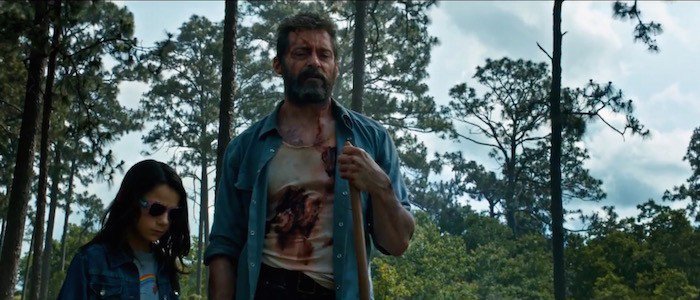
And death is all over this film; gone is the PG-13 filter. Adamantium blades slash across throats, severe limbs, stab through heads underneath, on top. Professor Xavier’s regretful pining of something in the past is more personal. It’s not about the world, or abstract philosophical questions. It’s about personal redemption, and whether he gets it we can’t really tell as another clone of Logan- X-24, unleashed by the shadowy Transigen group catches up with them and stabs Xavier as he lies in bed in a medicated fugue.

But it's when Logan succumbs to a fatal wound that something catches in our throat. And it's not the sentimentality of the cloned little girl crying out 'daddy' that gets us, but the fact that mortality and death catch up with those that seem impervious to it- at least in this alternate universe, it does.

Old Man Logan is an alternative version of Marvel Comics' popular character Wolverine. This character is an aged Wolverine set in an alternate future universe designated as Earth-807128, where super villains overthrew the super heroes. Originally introduced as a miniseries in the ongoing seriesby writer Mark Millar and artist Steve McNiven, the character became very popular with fans. After the Death of Wolverine, X-23 took the mantle of Wolverine, but Old Man Logan was brought in to serve as an X-Man and featured in his own ongoing series.[1
Meat
“Meat
We bought from the butcher’s once,
half a pig, and with
the efficiency of hunters
or pork connoisseurs maybe, we
made our portions
marvelling at the shape and heft
of each one, a shoulder smooth
of sinew, rippling meat
firm under a delicate blanket of fat
this is the belly we point out,
it will find tenderness,
surrender,
with our sharp hungry teeth”
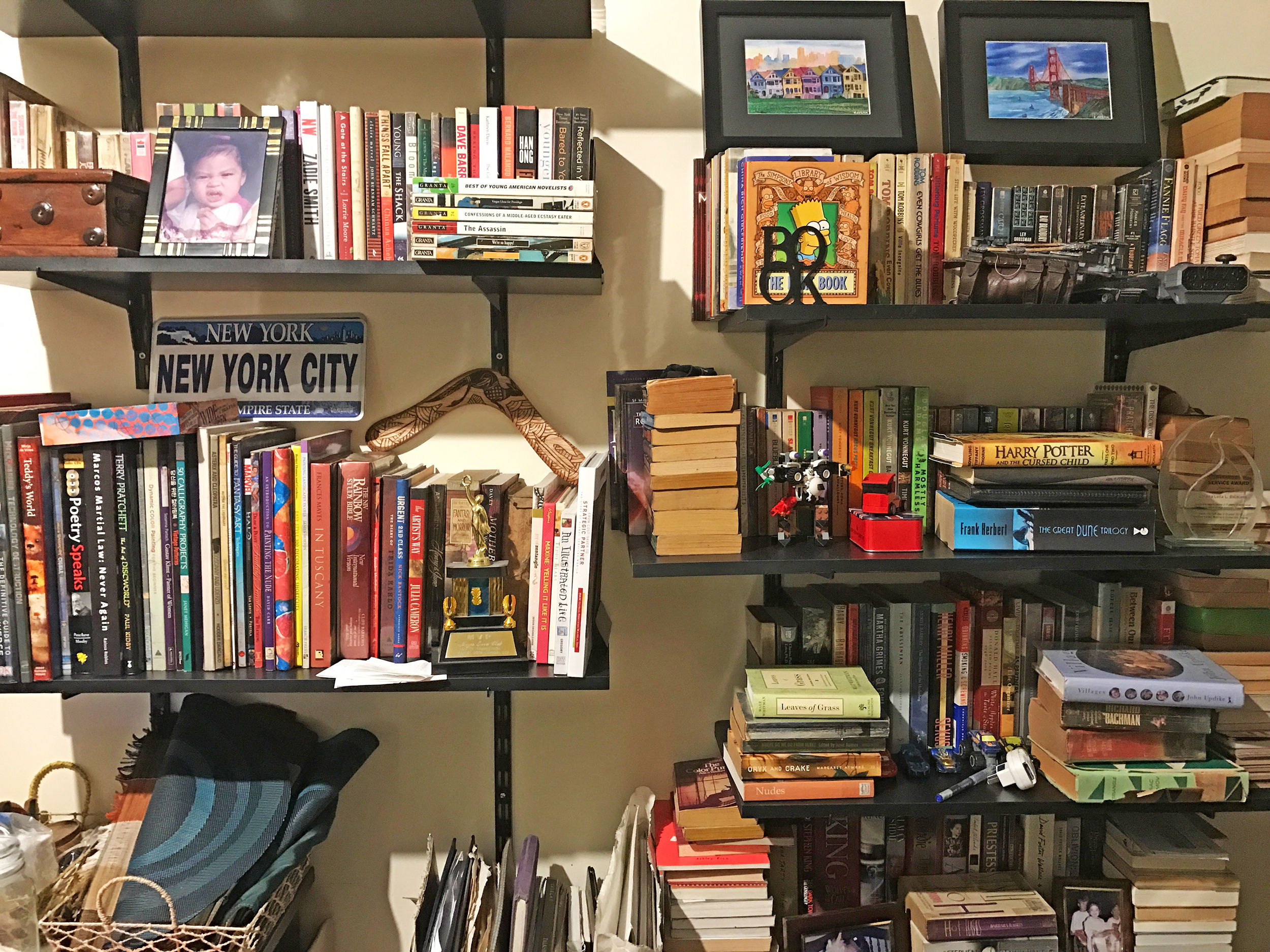
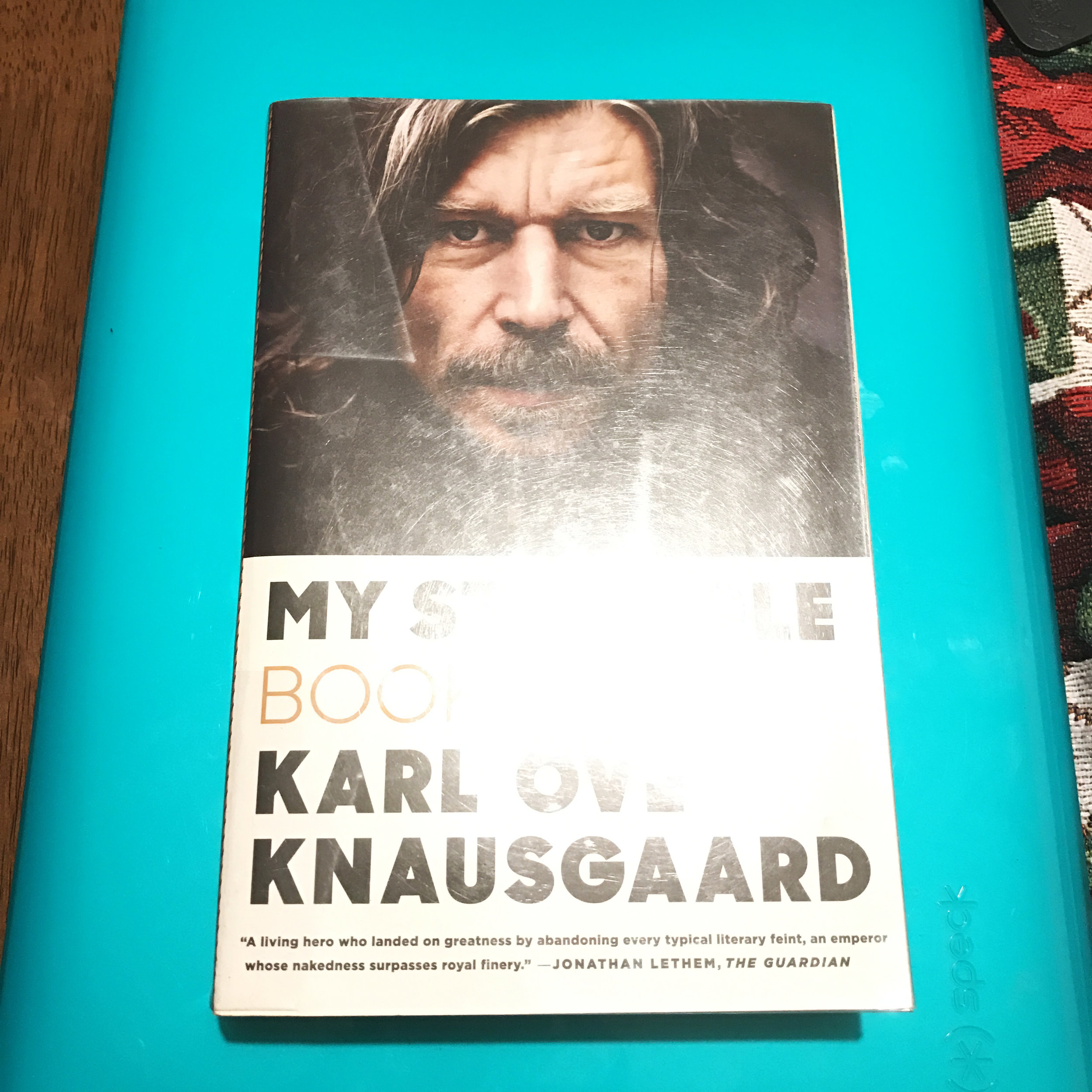
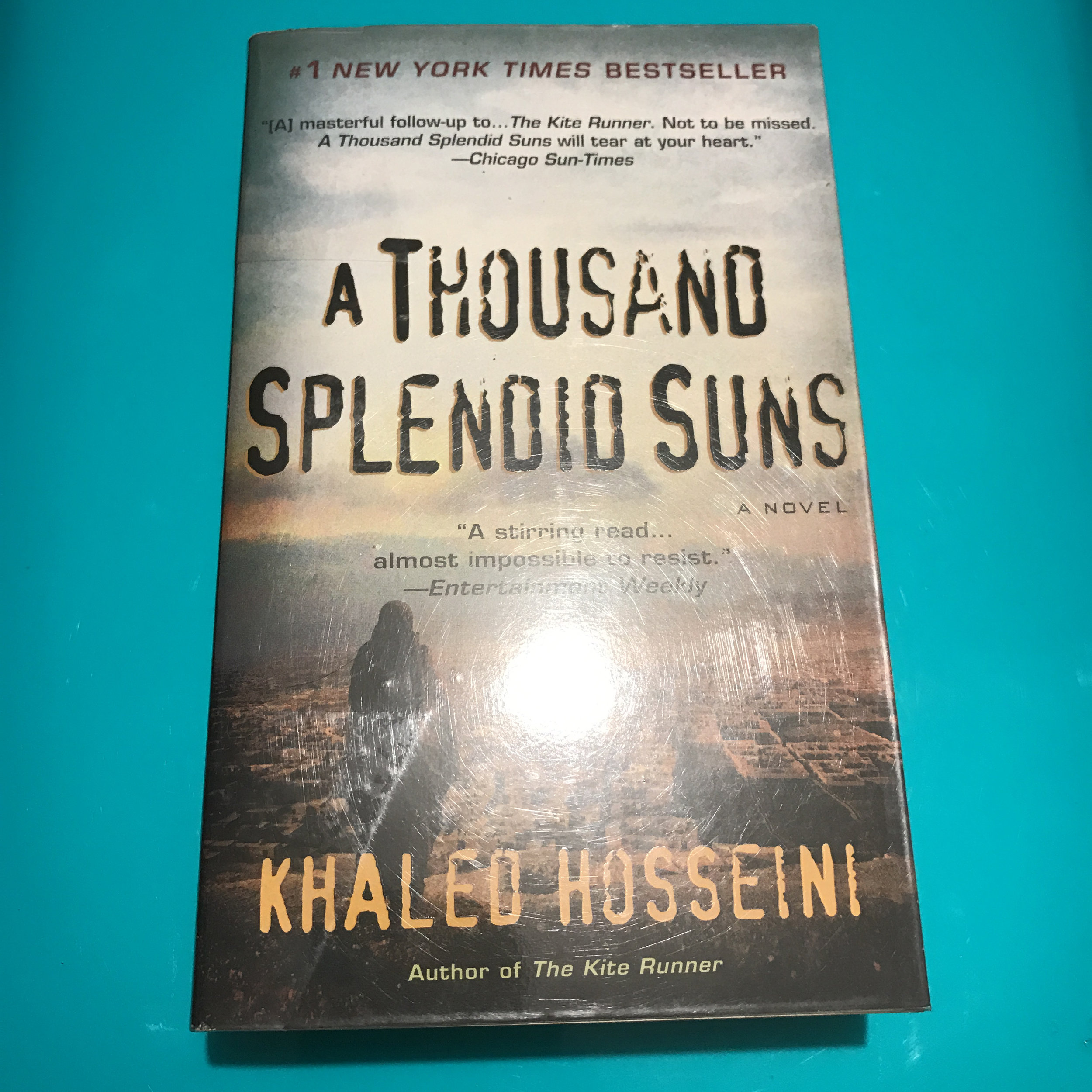
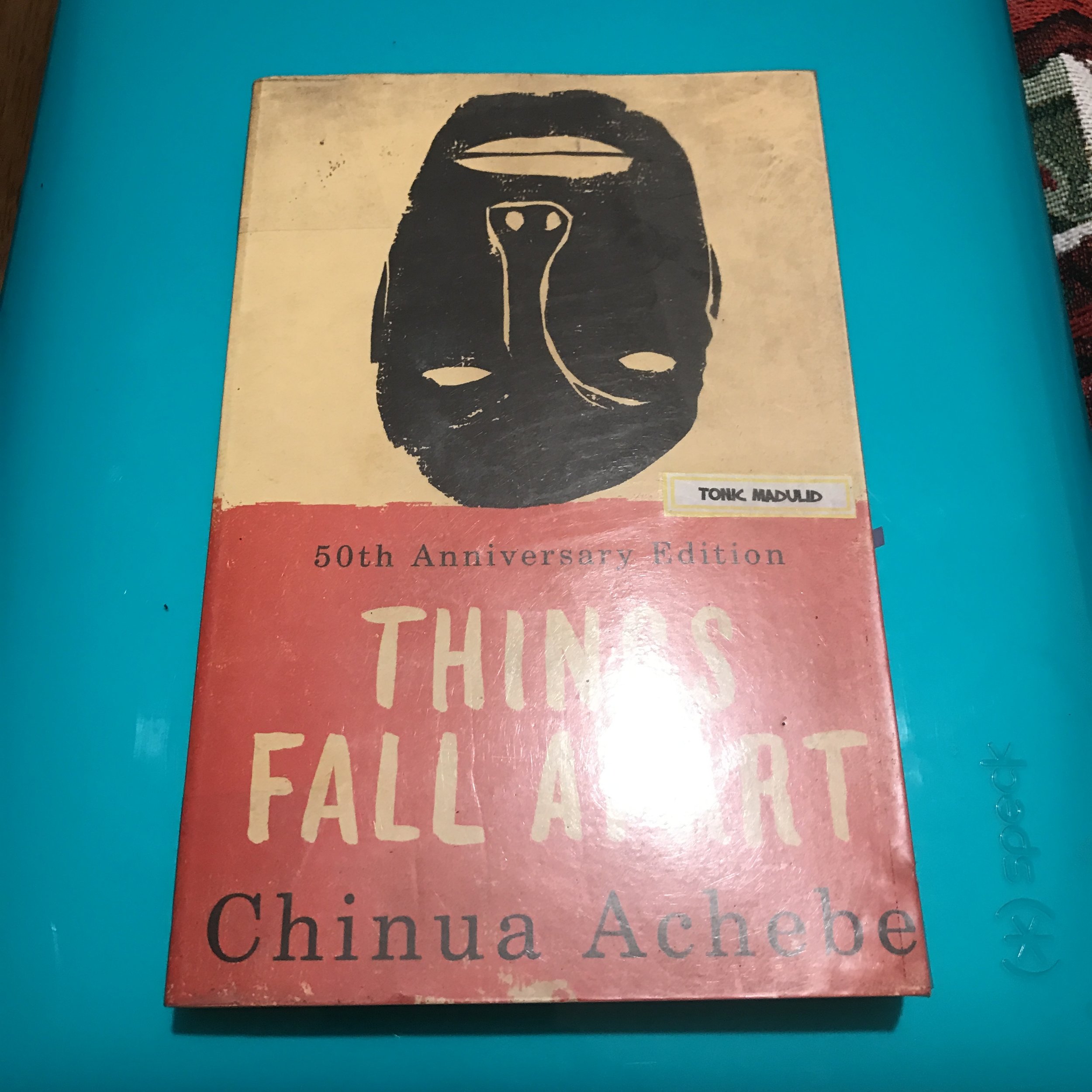
10 Books from Leila's Current Shelf That I'd Like to Read in 2017
In every apartment that Leila has lived in (and I've stayed in all of them save for one), I think there are four constant things:
1. Cigarettes
2. Ashtrays for those cigarettes
3. Books
4. A maid.
In her latest abode that overlooks a resort-sized configuration of pools, cabanas, a club-house and outdoor sports-areas, she informs me that the fourth one was no longer applicable. There are already three adults in the household, the youngest of whom no longer required supervision. And besides, the new place has only two bedrooms and I had a fleeting vision of the maid sleeping in the balcony on a folding bed.
We smoke in the balcony, these slender Korean cigarettes in which you had to pinch the filter to break some sort of capsule inside that releases this candy-like, menthol flavouring. We look over the balcony ogling families barbecuing fragrant pork, the kids screaming in the pool. We have so many memories, too many to count, of such scenes, but set at a real beach, all of us huddling inside make-shift huts of bamboo and coconut leaves to escape the heat. We were happy when we would bring help along, but sulky when we had to man the charcoal-fed barbecue pit ourselves. To this day, I can never light charcoal properly with the efficiency and patience needed to bring it to a blistering temperature. My idea of lighting one is to douse the bricks with as much kerosene as possible, an aggressive, scorched-earth technique that usually left a faint kerosene-y taste to the meat.
I feel the nearly imperceptible but all too familiar bite of a mosquito on my leg.
OMG, are there mosquitos here I cry out remembering that my sister-in-law and my nephew had a bout with Dengue a few weeks back. Leila looks at me as if I'm crazy; of course there are! Welcome to the Philippines! You should buy Off-Lotion and make sure to avoid staying too long in places where you'll be exposed to mosquitos (which is practically the entire country).
I laugh and tell her that if she ever needed a maid again, she would have to sleep in the balcony shrouded under mosquito netting.
It's not a bad thing mosquito nets and I remember as a child waking up in the morning and rhythmically rubbing my feet and legs against the netting as I lingered in bed.
If I had another chance to stay a bit longer in the country that's what I would get- a mosquito net, a good electric fan and a reliable reading lamp- and of course, ten books from Leila's shelf.
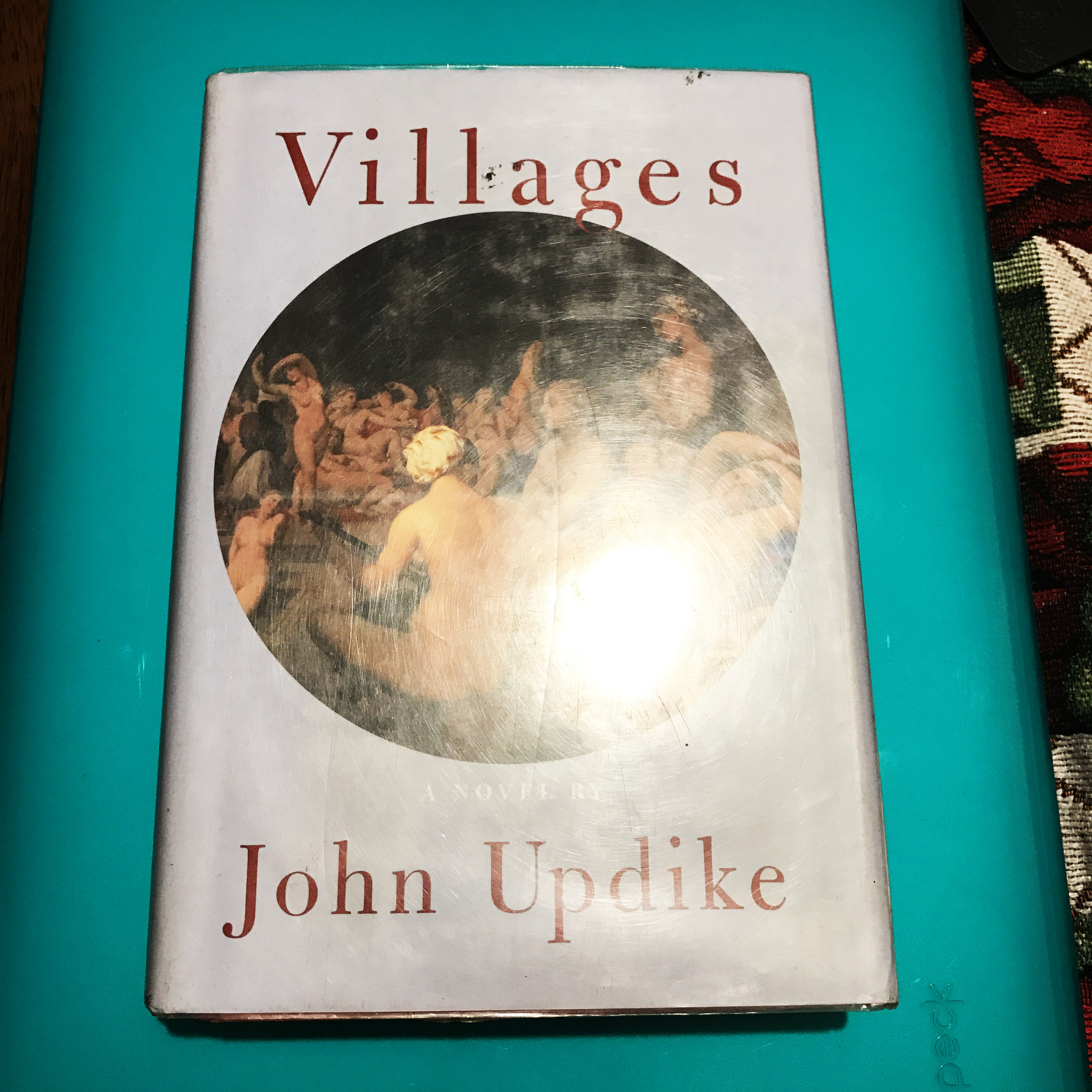
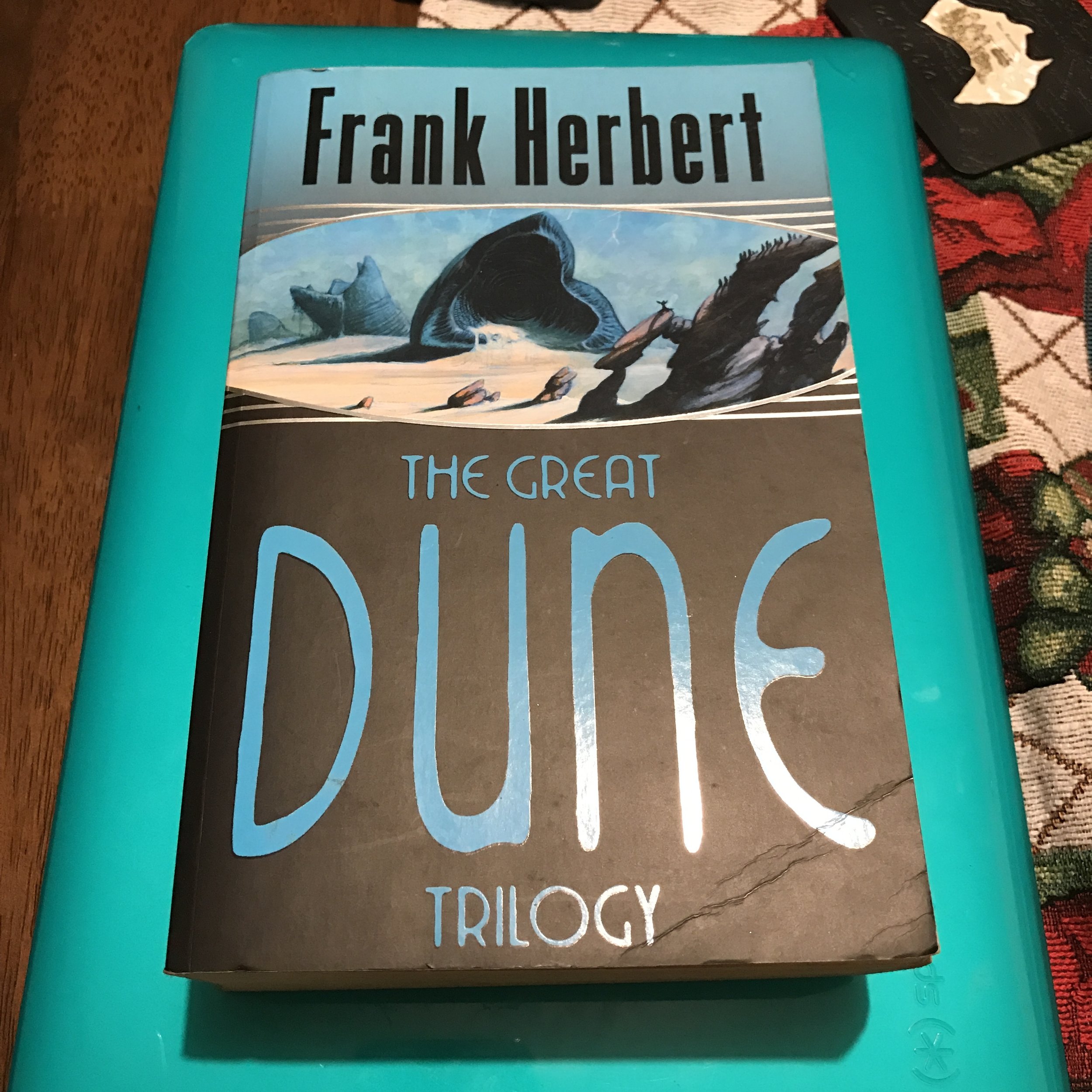
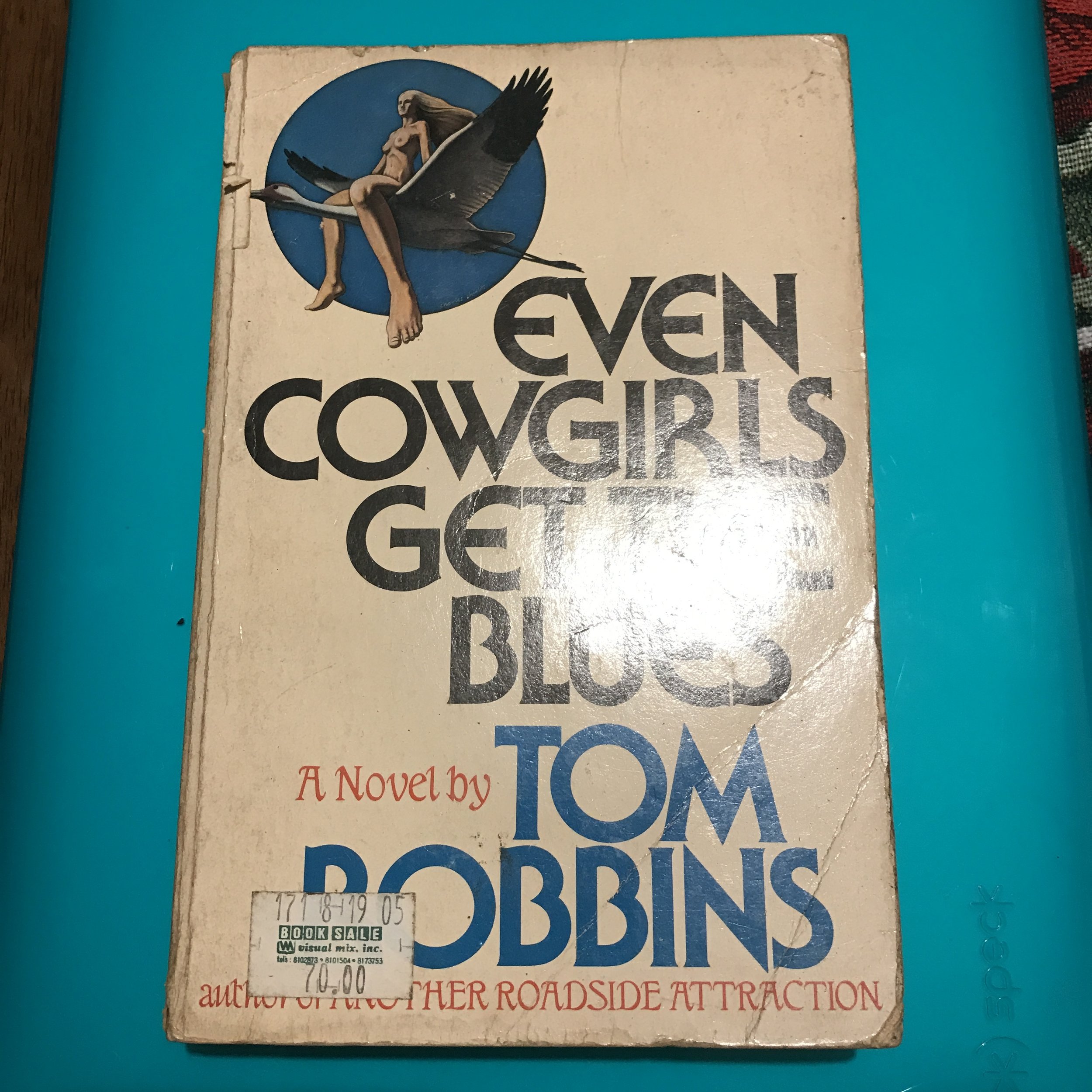
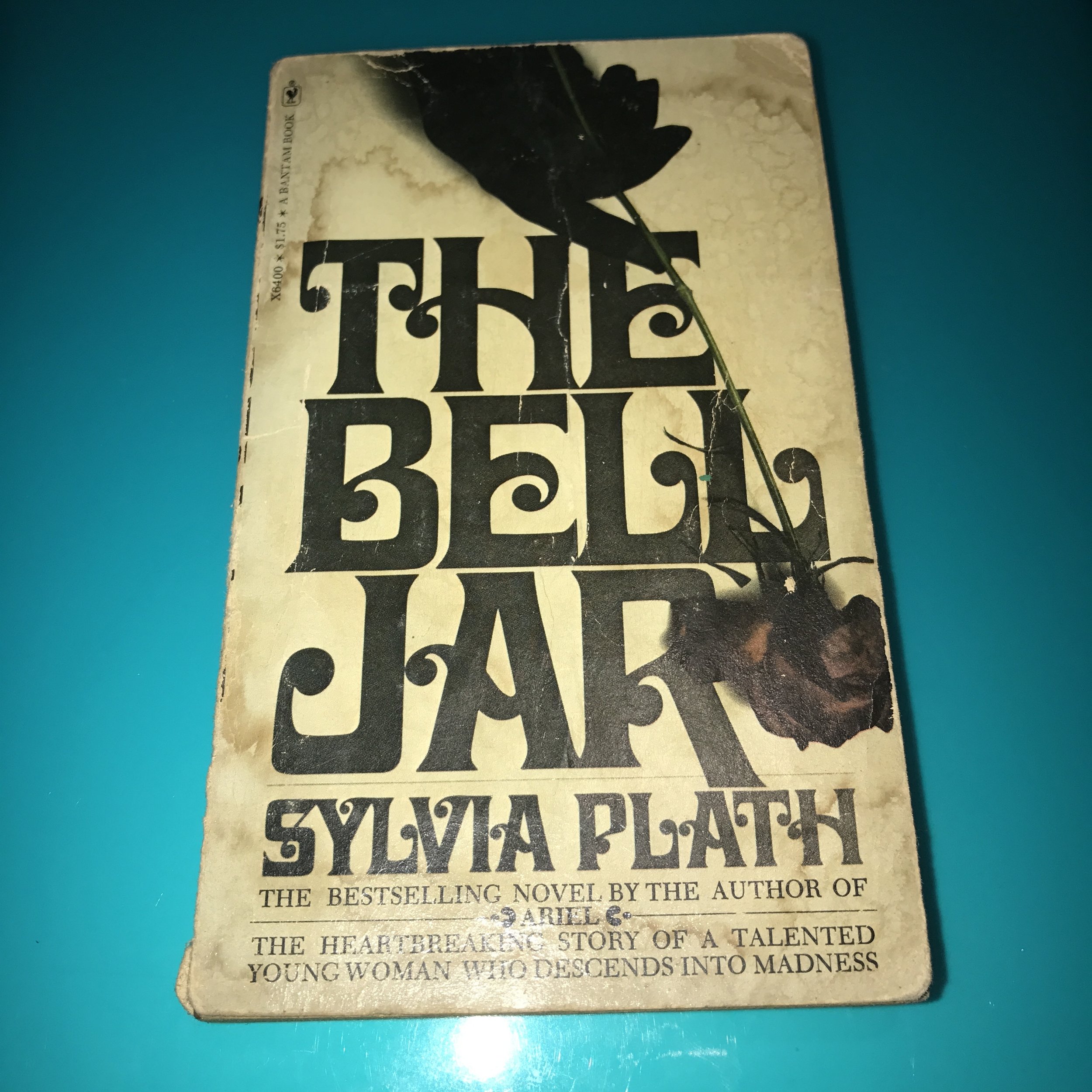
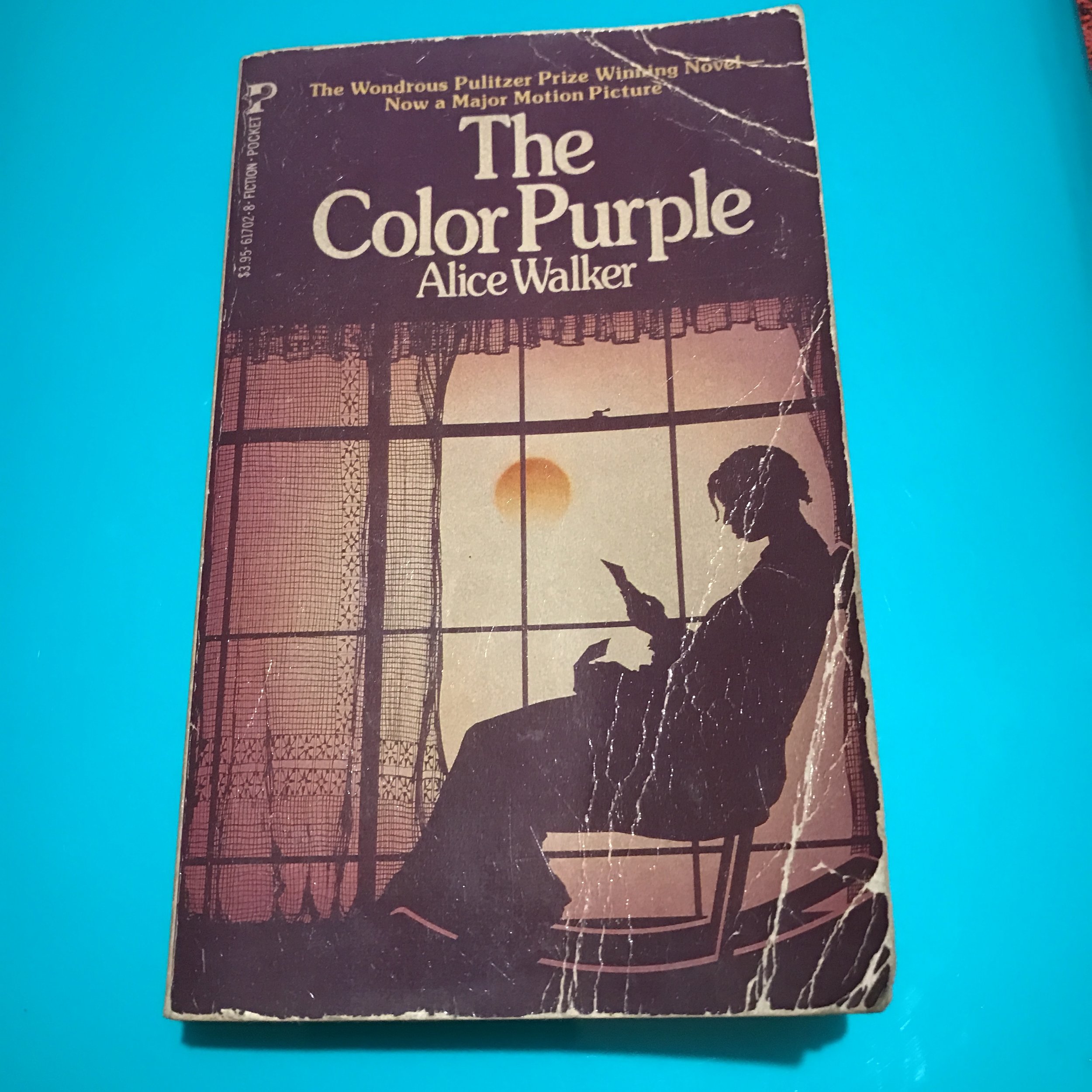
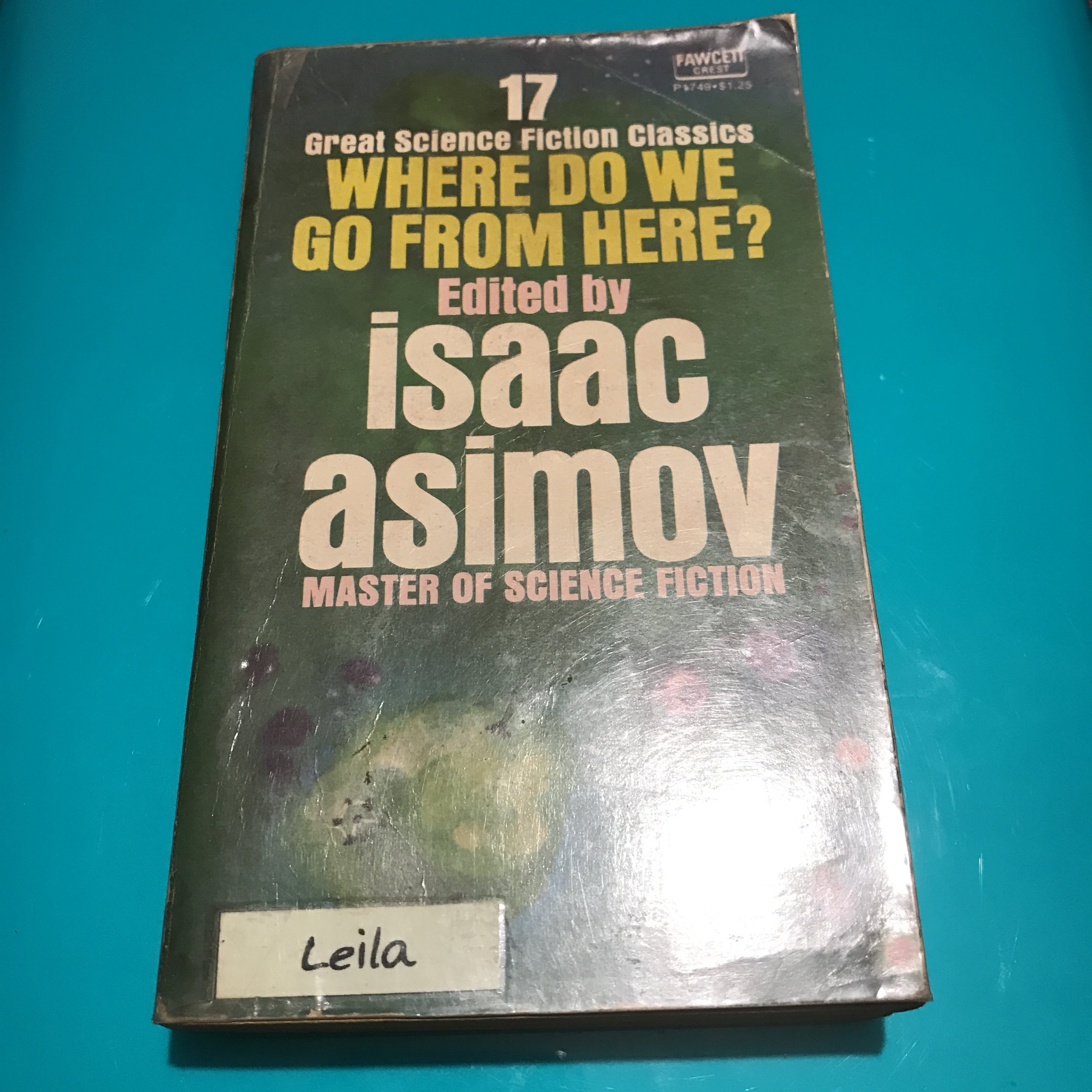
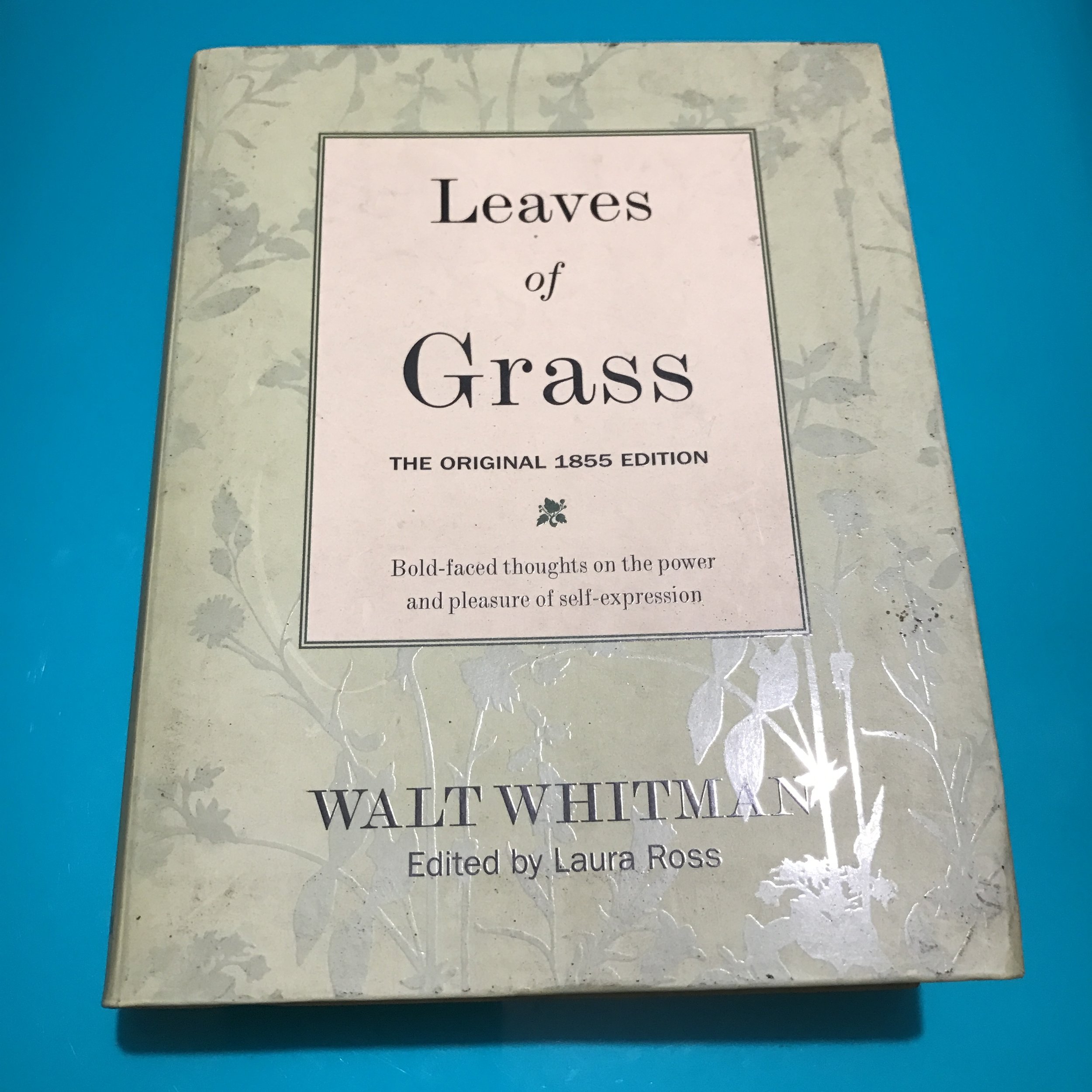
Snapchat
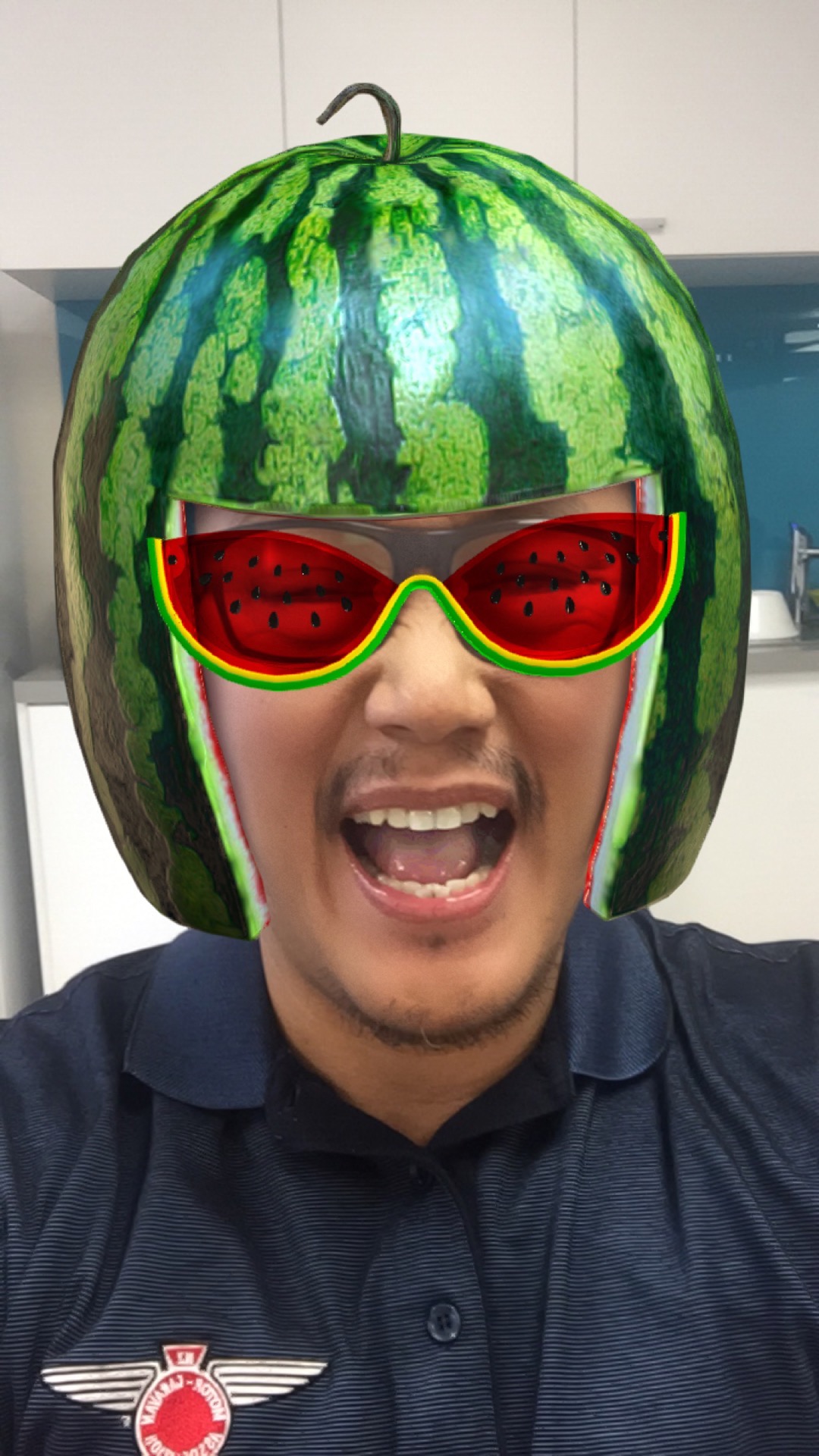
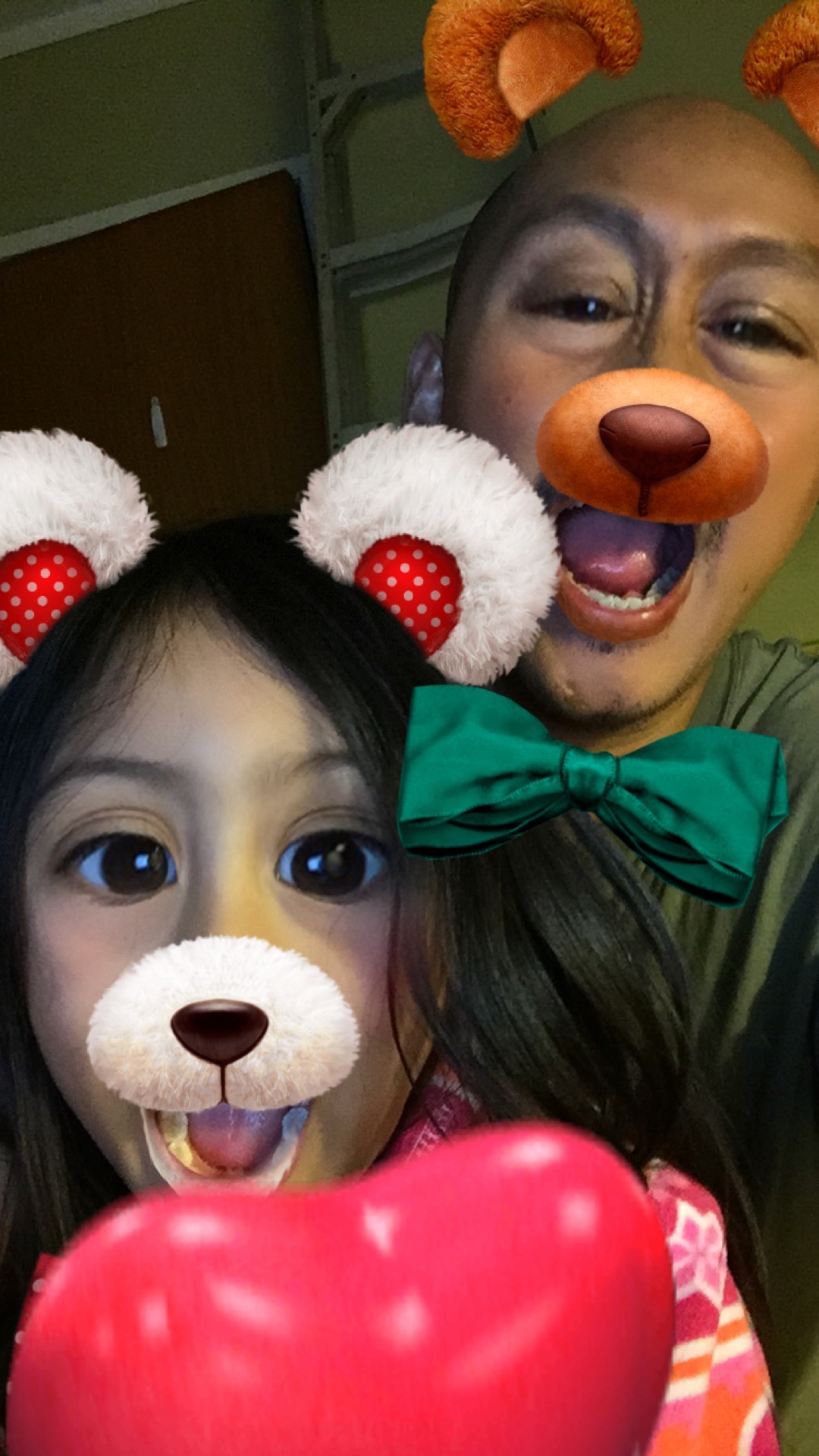
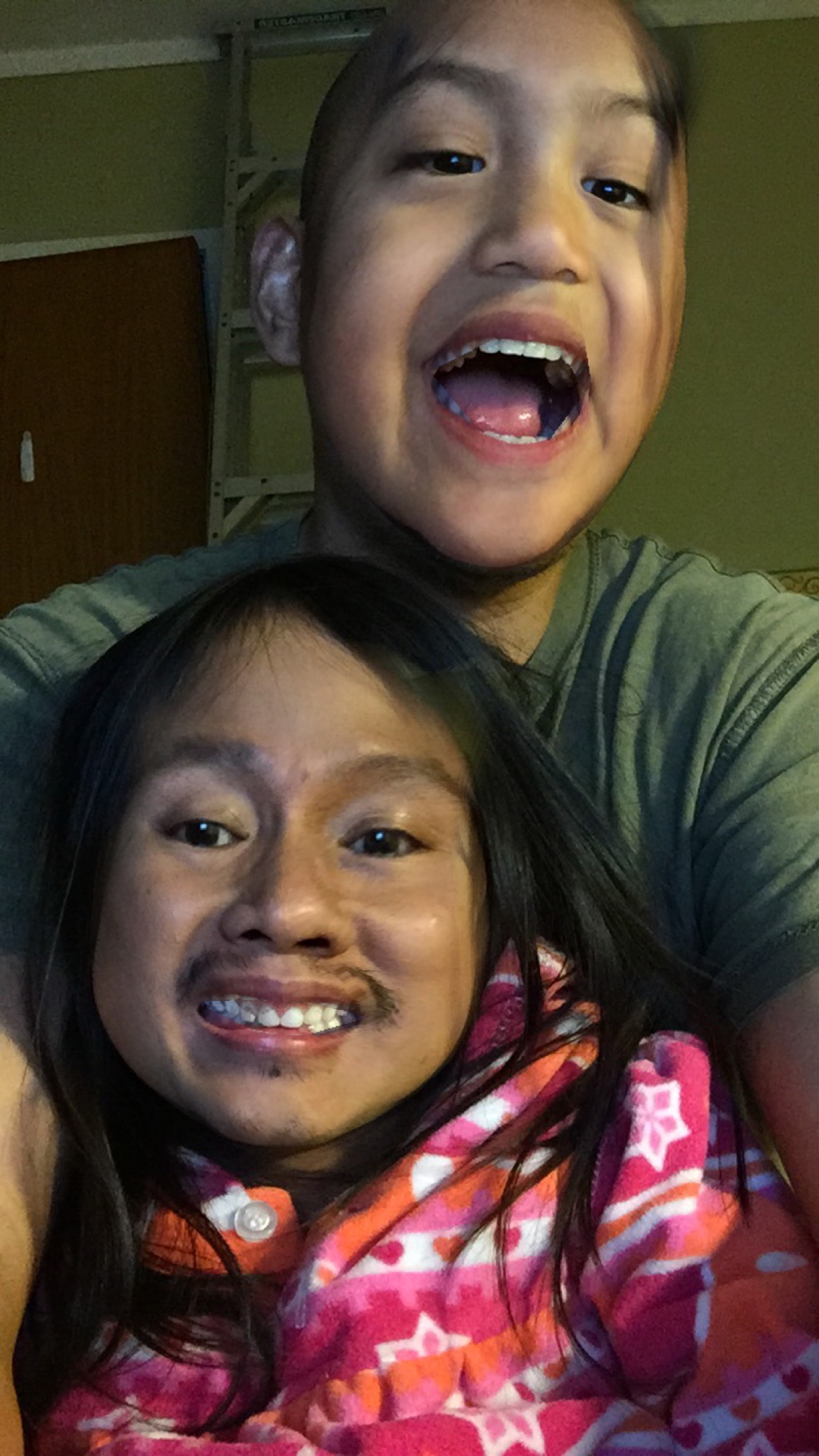
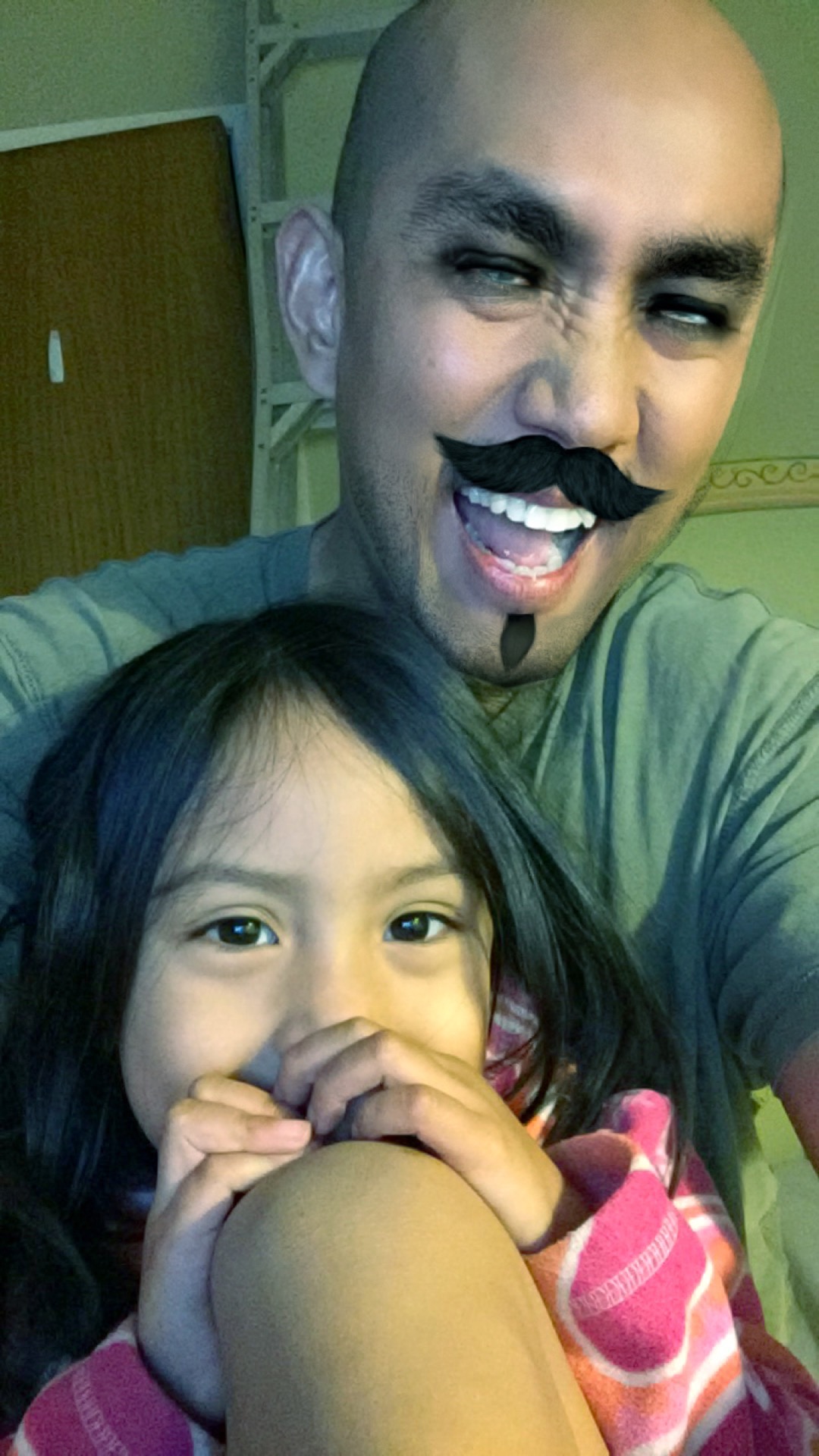
When Chini was little, she was fascinated with the app. Each time he came to visit and by the time he left, there would be a cache of photos of the two of them- all funny and endearing in that way that one looks at photos two or three decades later and thinking, 'my, how life had changed, how kids have grown'. And all of them- over 15,000 and taken with predictable regularity- preserved on the Cloud probably forever and ever. And of course, Chini clever as she was, soon learned on her own to take photos of herself without help and without prompting. Every child did, such were the days.
And then the technology leap-frogged in a way people didn't expect. One day, the app inventor thought that maybe it was time to take it to the next level. People had been flirting with hyper-realistic and enhanced images all the time that two-dimensionality had become boring and banal.
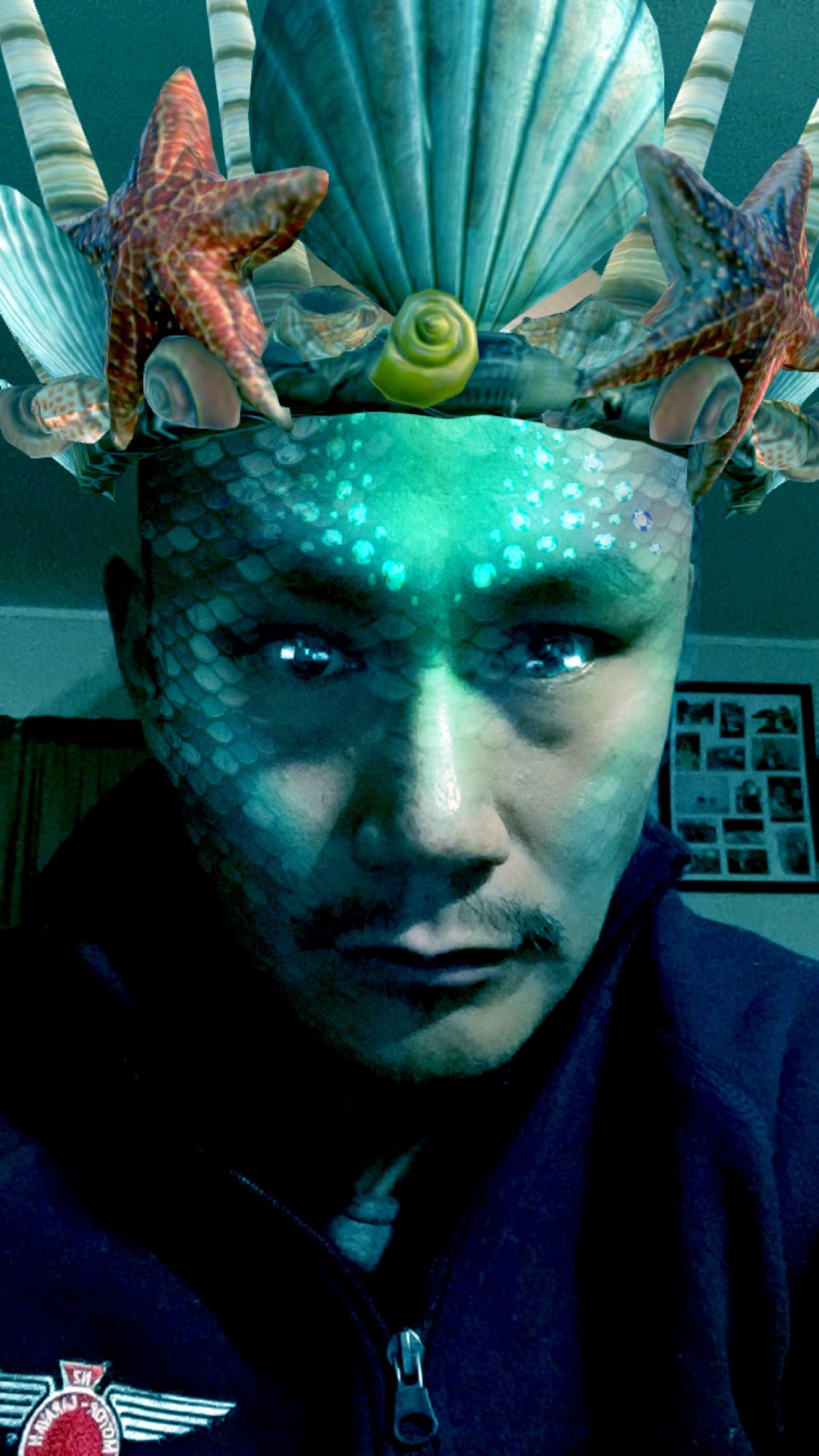
Step out of the frame, the app inventor said, and at first, it was like a baby giraffe struggling to get up on its long, spindly legs. The materials that passed for skin either didn't have enough coagulation or enough adhesion. And the colours and textures- suede was easy enough (3,000 shades!), but crocodile skin with its lattice of armour-like osteoderms, or the smooth firmness of watermelon with the familiar flat styrations of green- how to replicate an endless variety as limitless as one's imagination?
The answer was the Cellular Codex that was secretly being used by the Chinese for the good part of a decade to 3D print practically anything they wanted.
All it took was the threat of outing the Chinese government for printing agricultural and livestock products passed off as traditionally grown and reared to feed nearly half its population to acquire the technology- the app inventor assured them that he wasn't interested in using it to create stuff that could be eaten (there was virtually no research anyway on how safe it was, but it was probably proof enough that 900 million people eating the damned stuff were still up and about). The app inventor just wanted to create stuff that people could wear in a different way.
He remembered the year the beta came out, two weeks before Halloween. The costume shops were abandoned. Racks upon racks of latex masks, cardboard witches hats and superhero costumes were left unsold at department store aisles. All it took was choosing what you wanted to be, putting your head inside what looked like a vintage salon hard dryer and pressing the button on the app.
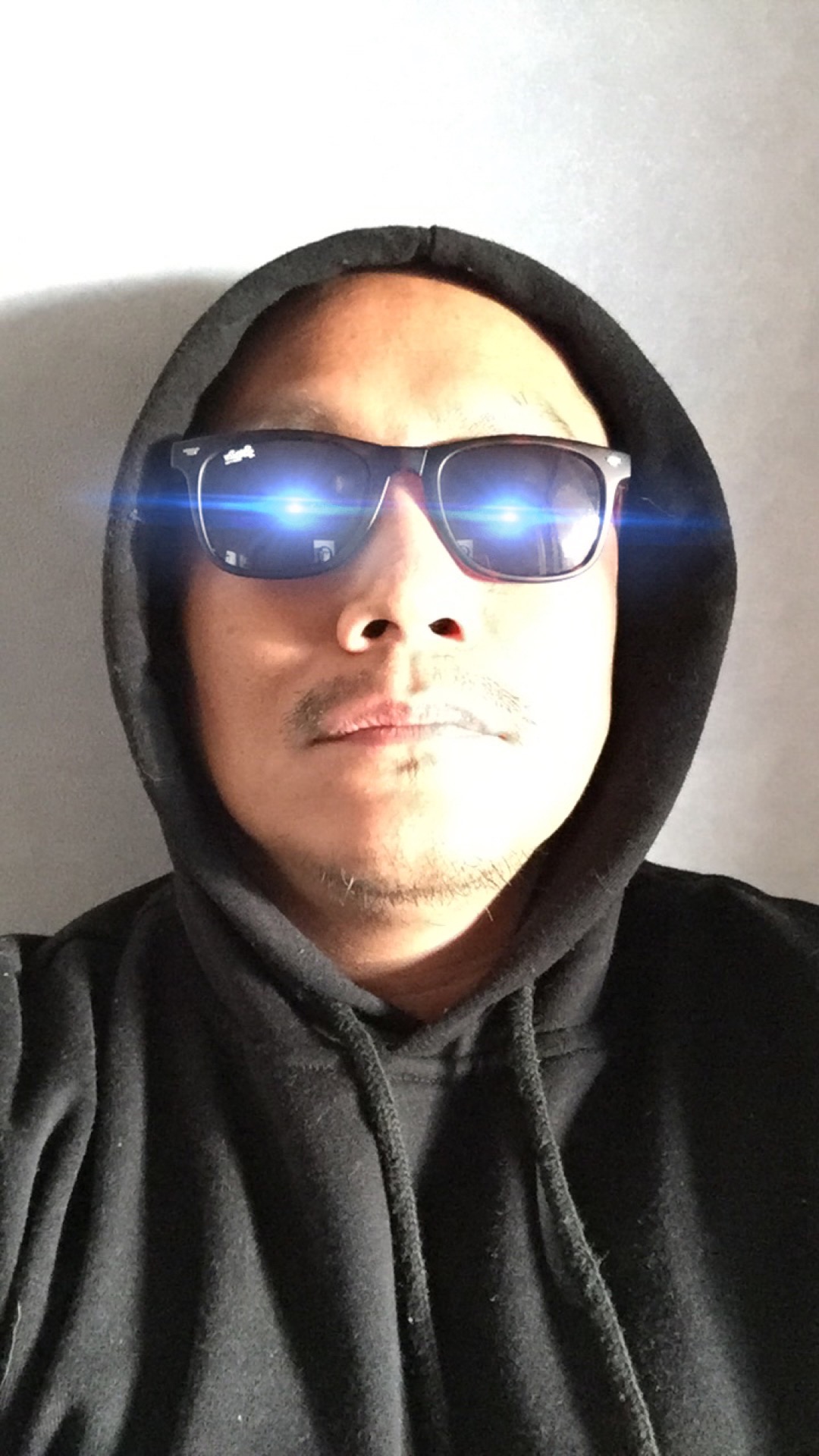
Looking back, the first generation of the app now seemed crude; the kooky disguises, the cartoon faces, the fantastical facial accoutrements of mythical creatures and beasts. It had quickly evolved of course into something else once people got bored of the mundane and the app inventor couldn't agree more. At this point, he was the richest person on earth and was building a home on the moon and couldn't care less about the raging social debates or the millions of electronic clucking that his people filtered and monitored every day.
And so it came to be that governments had to regulate and legislate. No using the app when passing through airports and borders. CCTV had to evolve and be equipped with sensors that looked into and identified people on a DNA level. A black market sprung up (with the Chinese leading the pack) where the printing was bio-regenerating and it wasn't even that expensive. He got sick once and it was his kidney. The doctor's words were inoperable, acute and dialysis. But the doctor was also a mate and whispered 3BR (3D Bio-Regeneration). Sure, it would cancel his insurance permanently, but it was either believing traditional medicine and facing less than satisfactory results, or choosing this technological miracle- there seemed to be no other more appropriate word for it.
Besides, he was never traditional to begin with. No family. Nothing to lose.
And that was 30 years ago when he was 51. Today on some days, he could believe that he was 81. He would close his eyes for a few minutes and let his mind wander down the long dark corridors of the past, his path lit up by memories that were probably the only real things he had. Awake and looking at the mirror he sometimes struggled to believe the reflection; it was his face at 43 (which even then, could pass for 35 and a good one at that) and that's where it stayed. Indefinitely.
Some people had gone too far and suffered horrific consequences; like you can't regenerate the entirety of your skin for example, or that brain cells were tricky, but that didn't stop people from trying. True beauty is on the inside he would remind himself and he stuck to this, as internal organs were regenerated keeping him at least in a state of statis. The science wasn't sure- it was too far mired in a social and ethical maelstrom as large (and permanent) as Jupiter's red spot.
But he couldn't care less as he had deliberately shied away from the internet and finally could say he had found the peace and rhythm he wanted- the (very) long ebb and flow of days spent reading, writing and drawing. He was 14 or 15 again, without a care in the world or a friend to his name and the truth was that you don't miss what you've never known or experienced. At least this was the state of his mind- most friends and family were either truly old or dead anyway.
He was alone and in this aloneness, the world seemed as clear and crisp as a sunny winter's day.
He dreaded it though when Chini came to visit and she always did with the regularity and devotion of his visits when she was a child. He dreaded it because he came face to face with the reminder that he could have chosen differently, and that now, looking at his reflection, he no longer had the heart nor the courage to change it. But Chini didn't judge, even as she was an Organic- untouched by the app, raised well by her parents who wisely resisted the technology, and now at 40, looking like them in every way, an amalgam of his sister's and brother-in-law's fine features as well as bearing the patina of her own journey in life as an architect and a mother to four accomplished children.
And yes, they go through their photos on some days- all 15,000 of them- with a glass of wine each and catching up on gossip, with updates on every one in the family.
But they have never taken another picture of them together.
That was the past and that man in the photos was no more.









The Goldfinch sucks
Reading through the first chapters, I sensed that something seemed 'wrong'
Read More